
Lines and mark making


You may also like
The language of lines: How marks evoke emotions
Lines and marks are the seemingly straightforward building blocks of any visual masterpiece. However, if you explore further, you will uncover a realm of emotion concealed within these fundamental components. The act of creating shapes, figures, lines, and marks has the ability to stir up a wide range of emotions.
Through an understanding of the various ways lines and mark-making techniques can impact our perception, you can tap into a valuable resource in your artistic vocabulary. This will enable you to create artwork that evoke a profound connection with those who view them.
Line Type
Line types play a crucial role in conveying emotions in art. Let's explore some common line types and the nuances they bring:
Straight lines suggest order, stability, and calmness.

Uniform, ruler-drawn lines: These evoke a sense of precision, control, and rigidity. Imagine architectural blueprints or technical drawings.
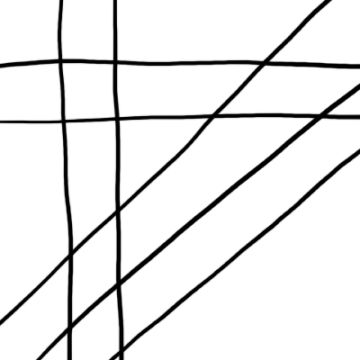
Hand-drawn straight lines: While still suggesting direction and focus, these lines convey a more human touch. They can imply confidence, determination, or even tension, depending on the thickness and direction. In a bold sketch, think of confident strokes.
Curved lines create a sense of movement, flow, and sometimes sensuality.

Serenity and calmness: Gentle curves, like rolling hills or flowing water, create a sense of peace and tranquilly.

Elegance and grace: Sweeping curves can suggest elegance, sophistication, and a sense of beauty.

Playfulness and joy: Wavy lines or playful loops can evoke a sense of lightheartedness, fun, and even whimsy.

Comfort and security: Soft, embracing curves can suggest a feeling of comfort, safety, and security.

Sensuality and femininity: In some contexts, curved lines can also be associated with sensuality and femininity.
Zigzag lines imply energy, tension, or even chaos.

Sharp zigzags: These evoke a feeling of tension, anxiety, or even chaos. Imagine lightning bolts or a jagged mountain range.

Soft zigzags: These can suggest playfulness, lightheartedness, or even rhythm. Imagine a child's scribble or decorative patterns.
Line Direction
Line direction, the path a line takes across your artwork, is another powerful tool for conveying emotions. Understanding how different directions influence perception allows you to guide the viewer's eye and evoke specific emotions.
Vertical lines convey a sense of height, power, and stability.

Strength and power: Vertical lines convey a sense of strength, solidity, and even dominance. Imagine tall buildings reaching toward the sky, or a line representing a standing figure.

Growth and aspiration: They can also suggest growth, aspiration, and a connection to something higher. Imagine a line that represents a tree reaching toward the sun.
Horizontal lines suggest calmness, peace, and serenity.
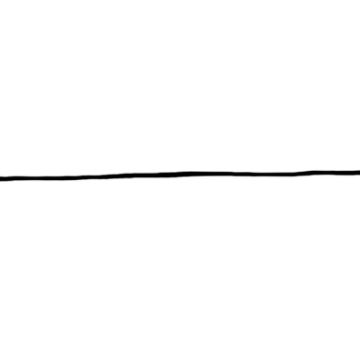
Peace and calmness: Horizontal lines evoke a sense of calmness and stability. Imagine a peaceful horizon line at sunset, or a line depicting a sleeping figure.

Vastness and expansion: These lines can also convey a sense of vastness and expansion. Imagine a long, horizontal line depicting a desert landscape or a line representing the ocean.
Diagonal lines create a feeling of movement, dynamism, or even instability.

Movement and dynamism: Diagonal lines are all about action and energy. They create a sense of movement, dynamism, and sometimes even instability. Imagine a line thta depicts a speeding car or a line representing a dancer in motion.

Tension and conflict: Depending on the context, diagonal lines can also suggest tension, conflict, or a sense of unease. Imagine a line representing a crashing wave, or a line depicting a person leaning precariously.
Line weight
Line weight is a nuanced tool that goes beyond determining how thick or thin a line is. It's an artist's secret weapon for conveying emotions through variations in pressure and visual weight. Here's a deeper look at how line weight communicates emotion:
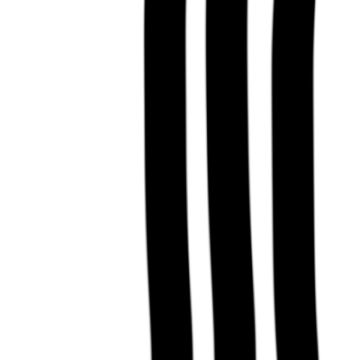
Strength and power: Thick lines are like bold statements. They convey a sense of strength, solidity, and even dominance. Imagine a drawing of a muscular figure accentuated with thick lines, or a bold architectural sketch with heavy lines for the support beams.

Delicacy and subtlety: Thin lines, on the other hand, suggest fragility, subtlety, or even calmness. Imagine a wispy portrait with thin lines for the facial features, or a delicate botanical illustration with fine lines for the petals.

Tension and anxiety: Lines with abrupt changes in weight can create a sense of tension, anxiety, or even chaos. Imagine a drawing of a storm with thick lines for the crashing waves contrasted by thin, scratchy lines for the windblown rain.
Mark making
Mark-making goes beyond just lines and delves into the world of texture, pressure, and artistic expression. It's a powerful tool for conveying emotions in a way that transcends words. Here's a deeper look at how mark-making speaks the language of feeling:
Energy and emotion: The way an artist makes a mark directly reflects their emotional state. Random scribbles convey a sense of uninhibited expression.

Bold, expressive strokes: Created with forceful pressure using tools like palette knives or chunky brushes, these marks convey a sense of energy, passion, or even anger. Imagine a painting filled with bold, fiery red strokes, suggesting intensity.

Light, feathery strokes: Made with a delicate touch, perhaps using a pencil or fine brush, these marks suggest calmness, peace, or even shyness. Imagine a drawing with light, wispy strokes, creating a dreamlike quality.

Scratchy marks: Created with a scraping or dragging motion, these marks often convey anxiety, frustration, or agitation. Imagine a drawing filled with scratchy charcoal lines expressing inner turmoil.
Texture and Emotion: Mark-making can also create a texture that evokes emotions.

Rough, scratchy textures: These can suggest a sense of rawness, anxiety, or even violence. Imagine a scraping technique with oil pastels, creating a gritty surface.

Smooth, blended marks: These can imply calmness, serenity, or even luxury. Imagine blended pastel strokes creating a soft, velvety texture.

Repetitive marks: Repeated dots, dashes, or squiggles can create a sense of rhythm, movement, or even obsession. Imagine a background filled with repetitive, swirling marks, suggesting a hypnotic state.
Spontaneous vs. controlled marks: The level of control in mark-making can influence the perceived emotion.

Spontaneous, uncontrolled marks: These can suggest a sense of freedom, playfulness, or even chaos. Imagine splatters of paint or random scribbles conveying a sense of uninhibited expression.
Juxtaposition of marks: Combining different mark-making techniques within a single artwork can create a complex emotional response. Imagine a piece with both bold, expressive strokes and areas of delicate stippling, conveying a sense of inner conflict or emotional turmoil.

Controlled, deliberate marks: These can imply focus, precision, or even rigidity. Imagine meticulously placed dots or carefully constructed geometric shapes suggesting a sense of order.